
Launching a Private-Label Reading Pen Line
Phase 1 — Brand and boundaries
- Sign a mutual NDA before sharing audio, book files or brand plans.
- Define exclusivity: which territories, models or designs are protected, and who owns custom tooling.
- Register or confirm your trademark in destination markets before printing it on devices.
Phase 2 — Product range
- Choose one anchor model for launch (B1/P2 for preschool, B2/K7 for school channels, Y6/KF1/Q8 for premium).
- Plan a three-to-five-SKU ladder rather than duplicating one price point.
- Lock the hardware configuration early; treat changes after pilot as exceptions.
Phase 3 — Identity on the device
- Housing colors, logo printing position and surface treatment approved on physical samples — screen mock-ups hide color and texture problems.
- Firmware identity where applicable: boot/prompt behavior, default volume and prompt languages.
- Preloaded audio and the file list frozen per SKU.
Phase 4 — Content and rights
- Confirm you own or license all audio and book content; the factory does not provide legal clearance for third-party voices, music or characters.
- Decide fixed NAND (F8, one locked title) or external TF (series that expand).
- Agree the OID code map, print specification and validation process with the book line. See OID explained.
From NDA to repeat order
-
Stage 0
NDA & range plan
Mutual NDA, anchor model, markets, SKU ladder and exclusivity boundaries.
-
Stage 1
Identity & content freeze
Colors, logo positions, audio file list and firmware behavior frozen.
-
Stage 2
Branded sample
Production-standard branded sample and packaging mock-up approved in writing.
-
Stage 3
Pilot batch
Pilot run validates books and packing; BOM and build checklist locked.
-
Stage 4
Compliance & booking
Brand-owner CPC filing, battery documents and freight booking.
-
Stage 5
First bulk
Production, aging, outgoing inspection and export packing.
-
Stage 6
Repeat program
Component-change notices and level/title additions pre-agreed.
What “your brand on the pen” actually includes
Logo & colors
Custom housing colors, logo print positions and surface treatments.
Packaging
Color or window boxes, manuals, carton marks and accessory layout.
Audio & prompts
Preloaded languages, prompt behavior and firmware default volume.
Firmware identity
Boot identity, button behavior and age-specific volume caps.
Content bundle
Coded books, flashcards and charts produced in the same program.
Confidentiality
Mutual NDA before audio, book or brand files are exchanged.
The everyday moments your brand lives in


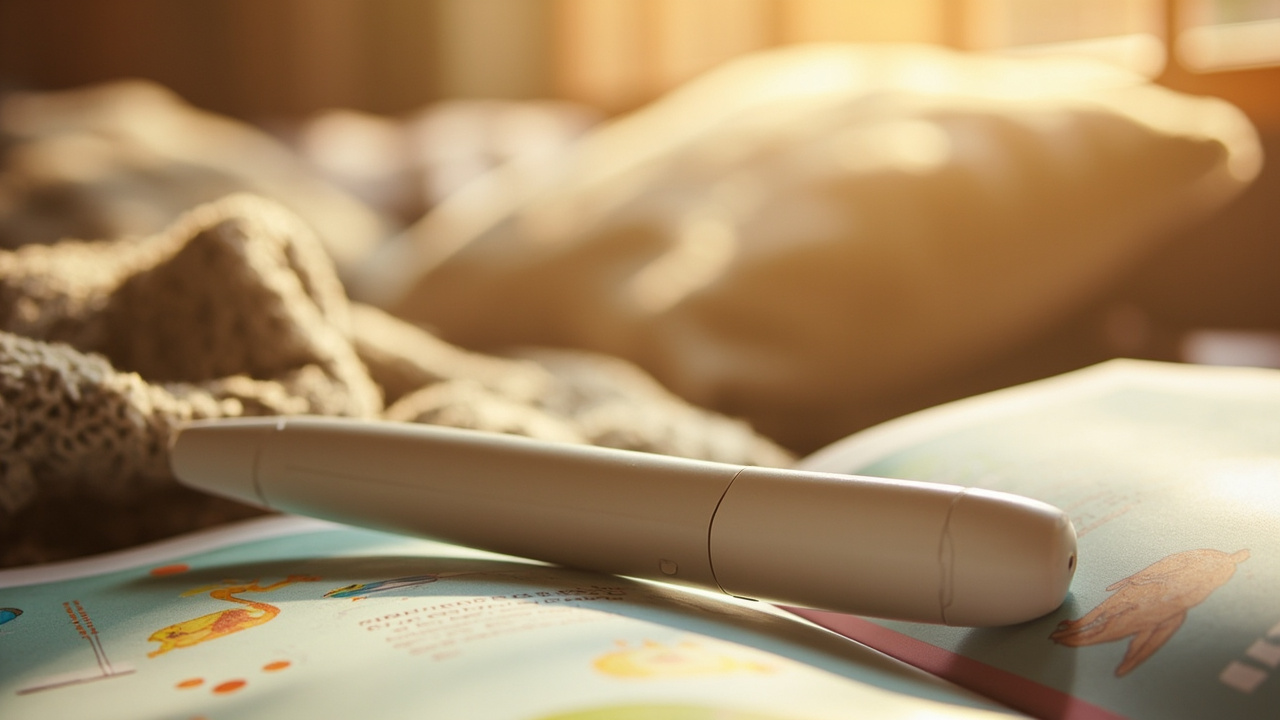

Phase 5 — Packaging and presentation
- Color box, window box or neutral carton; manuals and accessory layout.
- Artwork deadlines aligned to production; carton marks and battery-handling marks for freight.
- Bundled books and accessories counted in the packing list.
Phase 6 — Legal and compliance filings
- Request model-level factory documents for the destination market (see the certification guide).
- In the US, prepare the brand-owner CPC filing and CPSIA tracking labels.
- Confirm importer of record, local registrations and content compliance sit with your company.
- Verify rating labels and age-grade marking against approved artwork.
Phase 7 — Samples, pilot and launch
- Approve a production-standard branded sample and packaged mock-up in writing.
- Run a pilot batch, then freeze the locked BOM and build checklist.
- Confirm warranty and replacement policy, spare-unit allowance and support contact.
- Plan freight with battery documents early — see the shipping guide.
Phase 8 — Repeat orders
A private label is a multi-order business. Before launch, agree how component changes are communicated, how new audio levels or book titles are added, and the lead time for repeat production. Locked SKUs are what make a brand feel consistent to retailers.
Ready to begin? Use the private-label service page and the RFQ form.

Brand details applied during production
- Laser-marked and printed logo positions
- Approved surface treatments and housing colors
- Boot identity, prompts and age-specific volume
- Per-SKU color boxes and carton marks