
OEM vs ODM Reading Pens: Which Model Fits?
OEM: configure a shipping model
OEM (original equipment manufacturing) in this industry means the factory's proven, shipping product is built to your order: housing colors, logo printing, preloaded audio in your languages, prompt behavior, bundled coded books and packaging. The hardware design — housing mold, PCBA, sensor and firmware base — stays on the existing platform.
- Fastest path to market and the lowest tooling risk — OEM samples typically take 7-15 working days.
- Catalog configurations, custom colors and printed packaging are normal OEM scope.
- Ideal when a shipping model already meets the functional spec.
Private label: OEM with your brand identity
Private label is the branding layer of OEM: the same proven device ships under your name, colors and packaging. It rarely changes hardware. Read the dedicated private-label page and the launch checklist, because brand-owner legal filings (for example a private-label CPC in the US) remain your responsibility.
ODM: engineer what does not exist yet
ODM (original design manufacturing) begins only when no shipping model covers the requirement: a new housing and mold, a new tip or button architecture, a different display or wireless feature, modified electronics, or firmware the current platform cannot run. It involves industrial design, tooling, prototypes, validation and pilot transfer — first articles typically take 35-45 working days. See the engineering process.
- Justified by volume, differentiation or a real functional gap.
- Takes longer and needs tooling and validation budgets.
- IP, exclusivity and cost recovery are defined in writing before work starts.
OEM, private label and ODM compared
| Recommended Aspect | OEM configure | Private label | ODM engineer |
|---|---|---|---|
| Hardware platform | Existing shipping model | Existing shipping model | New housing / PCBA / firmware |
| Logo, colors, audio | |||
| Custom packaging | Available | Full brand identity | Full brand identity |
| New tooling required | |||
| Sample timing | 7-15 working days | 7-15 working days | 35-45 working days first article |
| Tooling investment | Lowest | Lowest | Development budget |
| IP / exclusivity | Per agreement | Per agreement | Defined before work starts |
| Best for | Proven functional spec | Own brand on a proven device | Real functional or scale gap |

Customization that rides on proven hardware
- Custom housing colors and logo printing
- Preloaded audio, prompt behavior and languages
- Coded books, accessories and branded packaging
- Catalog samples typically in 7-15 working days
Five questions that decide the path
- Does any of the eleven shipping models meet the must-have functions? If yes, OEM.
- Is the difference only appearance, audio and packaging? If yes, OEM/private label.
- Is a new mold or board genuinely required? If yes, ODM with a feasibility gate.
- Does the volume justify tooling and validation cost, and over what sales horizon?
- Who owns the design and molds — you exclusively, jointly, or the factory?
The honest feasibility gate
Before quoting ODM work, Kidkey Union engineers screen the request against the shipping range and issue a written assessment: go (real gap, viable), modify (solvable on an existing model with changes) or no-go (technically unsound or commercially unreasonable), with reasons. End-of-life chips, speakers that cannot reach safe volume in a chosen housing and battery-draining LCDs are the kind of findings the gate exists to catch early.
Common buyer mistakes
- Paying for “custom” work that a shipping model already does.
- Expecting OEM lead times on a project that secretly needs new tooling.
- Starting ODM without agreed IP ownership or volume commitment.
- Treating private-label certification filings as the factory's job — see the certification guide.
Still unsure? Describe the product difference in the RFQ; the first response states which path applies rather than selling the most expensive one.
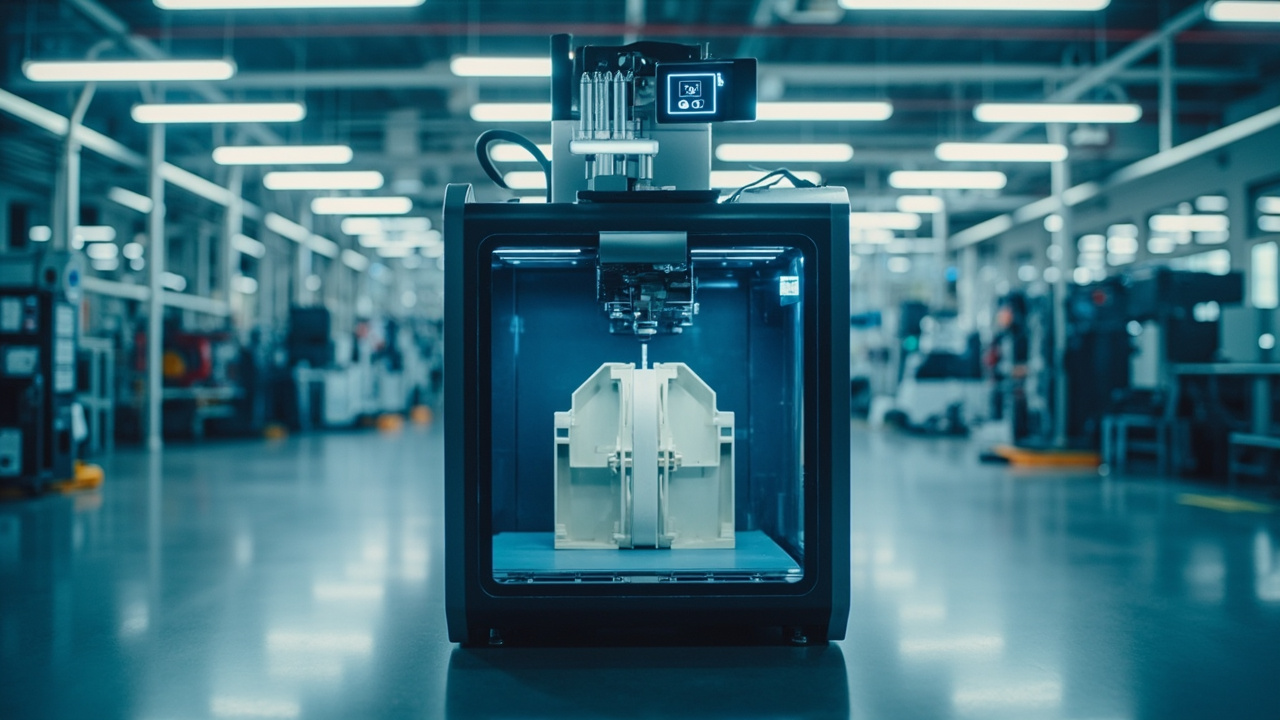
When the requirement genuinely needs new engineering
- Industrial design and new housing tooling
- 3D-printed prototypes and validation builds
- Modified PCBA and firmware when justified
- First articles typically in 35-45 working days
From requirement to the right contract
Send the function list
Must-have functions, reference product or drawing, target volume.
Shipping-range screen
Engineering checks the eleven shipping models for a fit first.
Written verdict
Go / modify / no-go with reasons and anchor model.
Agreement & samples
IP and exclusivity defined before tooling; samples follow.