
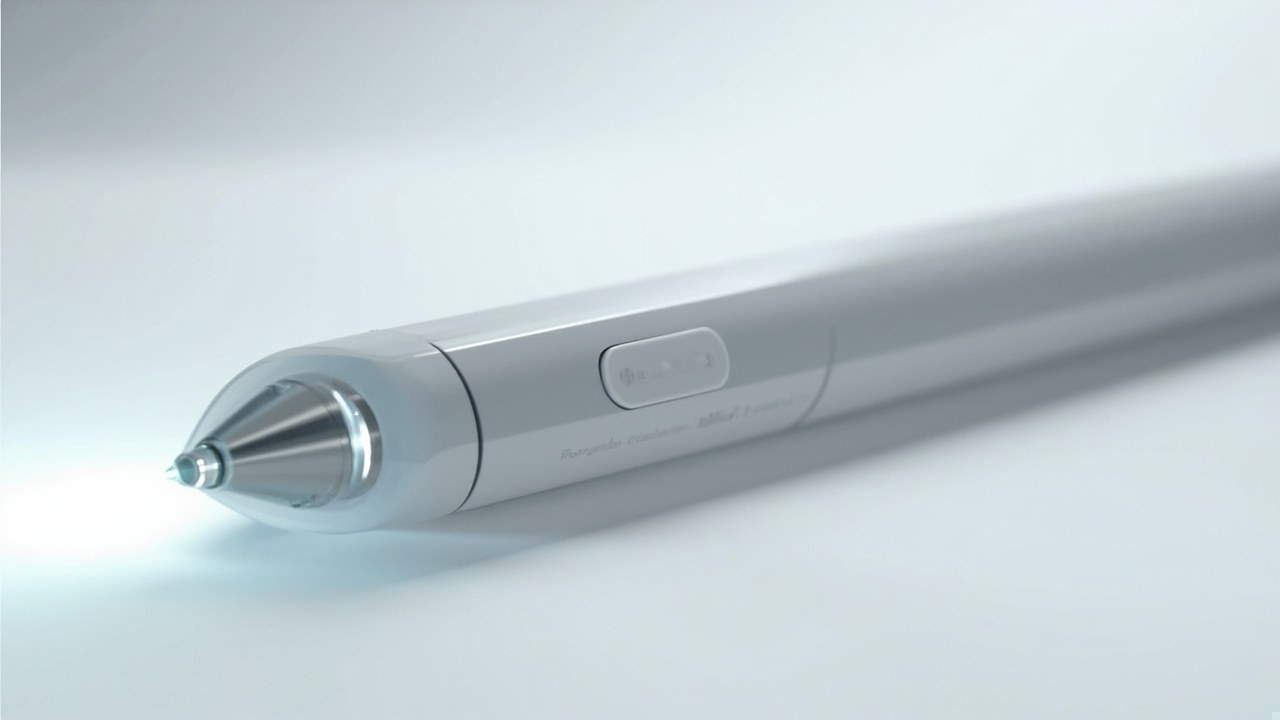
Launching a new reading pen product — whether a private-label OEM or a fully custom ODM — takes 4–9 months from concept to first delivery. Understanding each stage helps you plan capital, calendar, and team resources.
This guide walks through the 7 stages of reading-pen product development, with timelines and cost estimates for each.
The 7-Stage Development Process
Stage 1 — Concept & Specification (2–4 weeks)
The starting point: a written product specification that defines:
- Target market and price point
- Physical specs: dimensions, weight, materials, colors
- Hardware specs: chip, memory, battery, OID version, screen, connectivity
- Software specs: UI languages, voice prompts, boot logo
- Compliance scope: CE, FCC, ASTM, UKCA, RoHS, REACH, etc.
- Audio scope: languages, voice talent, recording length
- Accessories: USB cable, manual, packaging, OID books
The spec document becomes the contract between you and the factory. The more detailed, the lower the risk of mid-development changes.
Cost: USD 0 (in-house) or USD 5,000–15,000 (if you hire a product development consultancy).
Stage 2 — Industrial Design (3–6 weeks)
Industrial design defines how the pen looks and feels:
- Form factor: classic cylindrical, ergonomic grip, kid-friendly shape, premium metal
- Color palette: standard factory colors or custom Pantone
- Surface finish: matte, gloss, soft-touch, rubberized
- Buttons: number, position, tactile feel
- LED indicators: power, charging, Bluetooth
- Speaker grille pattern: aesthetic detail
- Branding area: logo placement
The factory's industrial design team typically produces 2–3 design concepts for you to choose from, then refines the chosen one.
Cost: USD 0 (included in OEM setup) to USD 5,000–15,000 (full custom ODM industrial design).
Stage 3 — Engineering: Hardware & Firmware (4–8 weeks)
The engineering team translates the industrial design into a working product:
Hardware Engineering
- Schematic design: chip selection, power management, audio path
- PCB layout: 4–6 layer board, EMI/EMC considerations
- Component selection: BOM with second-source options
- Sensor integration: OID sensor module placement, optical path
- Battery integration: protection circuit, charging IC
- Mechanical engineering: plastic shell fit, button mechanism, speaker chamber
Firmware Engineering
- Boot sequence: power-on → boot logo → main UI
- Audio engine: MP3/WAV decoding, OID code lookup, audio mixing
- OID scan algorithm: code detection, anti-glare, side tolerance
- Recording function: mic input, encoding, storage
- UI navigation: button mapping, menu structure, language switching
- Power management: sleep mode, battery monitoring
Cost: USD 5,000–25,000 depending on complexity. Custom firmware (multi-language UI, AI features) costs more.
Stage 4 — Tooling & Prototyping (4–8 weeks)
Once the design is frozen, the factory produces:
Prototype (2–3 weeks)
- 3D-printed shell (visual only, not functional)
- 5–10 functional prototypes (engineering samples)
- Audio samples (placeholder content)
- OID scan verification
Tooling (4–6 weeks)
- Injection mold for shell: USD 8,000–25,000
- Stamping die for metal parts (premium models): USD 3,000–8,000
- SMT stencil: USD 500–1,500
- Test fixture: USD 2,000–5,000
A first-article inspection (FAI) confirms tooling meets spec. Sample parts from each mold are measured against CAD.
Cost: USD 12,000–40,000 for tooling, depending on model complexity.
Stage 5 — Certification (5–8 weeks, parallel)
Certification starts in parallel with tooling. Labs test the functional prototype:
- CE / EN 71 / RoHS / REACH (EU)
- FCC / ASTM F963 / CPC (US)
- UKCA (UK)
- GCC (Gulf)
- PSE (Japan)
- UN38.3 + MSDS (battery transport)
Cost: USD 5,000–25,000 depending on markets.
Stage 6 — Pilot Production (3–4 weeks)
Pilot production is a small batch (typically 100–500 units) to verify the production line:
- All processes exercised at low volume
- Worker training completed
- QC procedures validated
- Yield rate measured (target: >95% first-pass yield)
- Pilot units used for marketing photos, retailer samples, beta testing
Cost: USD 2,000–8,000 for pilot run + tooling amortization.
Stage 7 — Mass Production (3–6 weeks)
Mass production begins after pilot success. For a 10,000-unit order:
| Day | Activity |
|---|---|
| Day 1–3 | Material preparation (PCB, plastic, battery, speaker, etc.) |
| Day 4–7 | SMT pick-and-place + reflow |
| Day 8–14 | Assembly (manual + automated) |
| Day 15–18 | OID code loading + audio loading |
| Day 19–22 | Aging test + burn-in |
| Day 23–26 | Final QC + packaging |
| Day 27–30 | Master carton packing + container loading |
Cost: per-unit FOB cost as quoted.
Total Timeline and Cost
For a typical Y6-class OEM project:
| Item | Cost | Timeline |
|---|---|---|
| Spec development | $5,000 | 2–4 weeks |
| Industrial design | $8,000 | 3–6 weeks |
| Engineering (HW + FW) | $15,000 | 4–8 weeks |
| Tooling | $15,000 | 4–6 weeks |
| Prototypes | $2,000 | 2–3 weeks |
| Certifications | $8,000 | 5–8 weeks |
| Pilot production | $3,000 | 3–4 weeks |
| Mass production (10,000 units) | $50,000 | 3–4 weeks |
| Total one-time + first PO | $106,000 | 4–6 months |
Risk Areas
The 5 highest-risk stages:
- Industrial design freeze: changing the design after tooling starts costs USD 5,000–15,000 and 4–6 weeks delay.
- Firmware bugs: audio glitches, OID scan errors, UI freezes. Plan for 2–3 firmware revision cycles.
- Tooling defects: warped plastic, misaligned buttons. Allow time for one mold repair iteration.
- Certification failure: most common with new factories. Budget for re-test (USD 2,000–5,000).
- Pilot yield: if first-pass yield is below 90%, rework processes before mass production.
How to Reduce Development Risk
- Lock the spec before industrial design starts: changes after this point are expensive.
- Request FAI reports for tooling: photo + measurement evidence.
- Test prototypes with target users (kids, parents, teachers) before tooling.
- Build a 2-week buffer between pilot and mass production for rework.
- Use a single point of contact at the factory (usually R&D lead, not sales).
OEM vs ODM Development Cost
| Approach | Tooling Cost | R&D Cost | Total Setup | Best For |
|---|---|---|---|---|
| OEM (catalog model) | $0 | $0 | $0 | Speed-to-market |
| OEM + custom packaging | $3,000 | $0 | $3,000 | Brand building |
| ODM (custom mold) | $15,000 | $15,000 | $30,000 | Differentiation |
| ODM + custom firmware | $15,000 | $30,000 | $45,000 | Premium positioning |
FAQ
Q1: How long does a custom ODM reading pen take? A: 5–7 months from concept to first delivery, including 4–6 weeks certification, 4–6 weeks tooling, and 3–4 weeks mass production.
Q2: Can I skip prototyping? A: No. Prototyping catches 80% of design issues before tooling. Skipping it risks a USD 15,000+ tooling rework.
Q3: Who owns the IP after ODM? A: Typically the brand owner (you) owns the industrial design and any custom firmware. The factory retains the underlying chip and firmware IP. Make sure the contract has clear IP clauses.
Q4: Can I develop the firmware myself? A: Yes, if you have embedded C engineers familiar with the chip. Most buyers use the factory's firmware team and customize at the UI/voice prompt level.
Q5: How do I find a factory for ODM? A: Look for factories with their own R&D team, OID code library, and at least 5 prior ODM projects. Avoid trading companies or factories that outsource R&D.
Conclusion
Reading pen product development is a multi-stage process with most risk concentrated in industrial design freeze, firmware bugs, and tooling. Plan 4–7 months, USD 30,000–50,000 in setup costs, and 3 weeks of buffer between stages. OEM offers the fastest path; ODM offers the strongest differentiation.
Request a quote with your target model and customization scope. We will share a detailed development timeline and tiered OEM/ODM cost breakdown.
Related Reading
- OEM vs ODM Reading Pens
- How to Choose a Reading Pen Manufacturer
- Reading Pen Specifications Checklist
- Private Label Reading Pen Starter Guide
Parallel Project Plan for a Typical Y6 ODM Launch
The single biggest mistake first-time brand owners make is sequencing the 7 stages in series. In practice, certification, audio production, and book development can all run in parallel with tooling. The chart below shows the optimized 22-week plan we recommend for a Y6-class ODM project with 3 target markets:

The critical path runs through tooling and mass production. Certification, audio, and book development can run in parallel — but each has a "go / no-go" gate that, if missed, will stall the whole plan. The factory's project manager issues weekly status reports showing all 7 tracks; review them every Friday.
Engineering Document Checklist
A complete engineering handoff package reduces back-and-forth by 30–50% in our experience. The list below is what the factory's engineering team expects to receive or co-create by end of Stage 2:
- Product requirements document (PRD) with measurable specs.
- Mechanical CAD with tolerances (IGES / STEP / X_T).
- Hardware block diagram and schematic review.
- Firmware feature list and user flow.
- UI mockups for each screen state.
- Audio script in target languages (with timing per track).
- Packaging dieline with artwork placeholder.
- User manual draft (8–16 pages typical).
- Compliance target list with priority markets.
- Brand asset package (logo, color codes, fonts).
A buyer who delivers items 1–6 within the first 4 weeks can shave 2 weeks off the total timeline. Items 7–10 can lag by up to 4 weeks without delaying tooling. OEM vs ODM Reading Pens compares what the factory provides vs what you must supply.
Voice and Audio Production Workflow
Audio is one of the most underestimated cost drivers. A 6-language launch with 4 books each requires ~24 hours of finished audio. Here's how the factory's audio team typically executes:
| Step | Owner | Duration | Cost (USD) |
|---|---|---|---|
| Script writing | Buyer | 2 weeks | 0–3,000 (if agency) |
| Casting (voice talent) | Factory + buyer | 1 week | 200–500 per language |
| Studio recording | Factory partner | 2 weeks | 1,500–3,000 per language |
| Audio editing + mastering | Factory | 2 weeks | Included in tooling |
| OID code mapping | Factory | 1 week | Included in code block fee |
| QA spot-check (5% sample) | Buyer | 3 days | 0 |
For a 6-language Y6 launch (English, Spanish, German, French, Arabic, Mandarin), audio production alone runs USD 12,000–22,000 and 8–10 weeks. Plan this in parallel with firmware development; the two tracks converge at the OID code loading step in Stage 6. The cost is bundled into the tooling line of the budget table above but typically itemized separately on the Request a Quote breakdown.
Tooling Cost Driver Breakdown
Tooling cost varies 3x across model complexity. Use this breakdown to forecast your tooling budget:
| Component | Simple Mold (B1, Y6) | Mid Mold (Q8, K7) | Complex Mold (P2, T2) |
|---|---|---|---|
| Shell injection mold | $8,000–12,000 | $12,000–18,000 | $18,000–25,000 |
| Button inserts (per button) | $300–500 | $400–600 | $500–800 |
| Speaker grille | $500–800 | $800–1,200 | $1,000–1,500 |
| USB port insert | $400–600 | $500–700 | $600–900 |
| Metal stamping (premium) | n/a | $3,000–5,000 | $5,000–8,000 |
| SMT stencil + fixtures | $800–1,500 | $1,200–2,000 | $1,500–2,500 |
| Mold tryout + FAI | $1,000–2,000 | $1,500–3,000 | $2,000–4,000 |
| Total tooling | $11,000–17,000 | $19,400–30,500 | $28,600–42,700 |
A simple 4-cavity mold runs ~USD 12,000; a complex 8-cavity mold with side actions and metal inserts runs ~USD 35,000. Single-cavity molds are 30–50% cheaper but limit production speed to ~800 units/day vs 2,500 units/day for 4-cavity.
Certification by Market Matrix
Not every market requires every test. Use this matrix to scope your certification budget realistically:
| Market | Required Certifications | Estimated Cost (USD) | Lead Time |
|---|---|---|---|
| EU (DE, FR, IT, ES, NL) | CE-RED, EN 71-1/2/3, RoHS, REACH | $4,500–7,500 | 5–6 weeks |
| UK | UKCA, EN 71 (UK version), RoHS | $2,500–4,000 | 4–5 weeks |
| US | FCC Part 15, ASTM F963, CPSIA, CPC | $3,500–6,000 | 5–7 weeks |
| Canada | IC (RSS-Gen), ASTM F963 | $1,500–2,500 | 3–5 weeks |
| Australia / NZ | RCM, AS/NZS 8124 | $1,000–2,000 | 3–4 weeks |
| Japan | PSE (battery), TELEC (Bluetooth) | $1,200–2,200 | 4–5 weeks |
| GCC (Saudi/UAE) | GCC conformity, SASO (Saudi) | $2,000–3,500 | 4–6 weeks |
| Korea | KC, KCC | $1,500–2,500 | 4–6 weeks |
| China (domestic) | CCC, SRRC | $1,000–2,000 | 4–6 weeks |
| India | BIS, WPC | $800–1,500 | 3–5 weeks |
| Brazil | INMETRO, ANATEL | $2,500–4,500 | 6–8 weeks |
For a typical 3-market launch (EU + US + GCC), budget USD 10,000–17,000 in certification costs and start the test plan in parallel with tooling. Adding Brazil or Korea adds 6–8 weeks and USD 2,500–4,500. Full certification breakdown lives in Children's Electronic Toy Certification Guide.
Pilot Production Yield Targets
Pilot production is the canary in the coal mine. Yield at pilot predicts yield at mass production, and the targets are unforgiving:
| Defect Category | Target Yield | Red Line |
|---|---|---|
| OID scan errors | >98% | <96% |
| Audio playback failures | >99% | <97% |
| Battery charge / discharge | >99% | <97% |
| Button tactile feel | >97% | <94% |
| Cosmetic defects (visual) | >96% | <93% |
| LCD / LED indicator | >99% | <97% |
| USB charging | >99% | <97% |
| Speaker sound quality | >98% | <95% |
| Overall first-pass yield | >96% | <93% |
If pilot yield falls in the "red line" zone, mass production is delayed by 1–2 weeks for rework. The 96% / 93% thresholds come from Reading Pen Quality Control AQL which applies the same logic to the running production line.
Extended FAQ
Q7: Can I use an existing mold and skip tooling? A: Yes, if the existing mold matches your target industrial design. The factory's catalog models (B1, B2, F8, Y6, Q8, etc.) can be ordered as-is or with light cosmetic changes. Custom mold is only required for true ODM differentiation.
Q8: How long does it take to switch from OEM to ODM on the second product? A: The second product is typically 30–40% faster than the first because the factory already understands your spec preferences, audio style, and quality thresholds. Expect 12–16 weeks for an ODM second product vs 22 weeks for the first.
Q9: Who handles the user manual translation? A: The factory provides English master files. Translation into 5–10 languages is typically outsourced to a translation agency and costs USD 0.08–0.15 per word. For 16-page manuals in 6 languages, expect USD 1,500–2,800 total.
Q10: Can I visit the factory during development? A: Yes, and you should — at least twice. Recommended visits: end of Stage 2 (review industrial design) and mid-Stage 4 (review first articles off the tool). The factory's接待 team handles visa invitation letters and on-site logistics.
Q11: What's the minimum order quantity (MOQ) for a custom ODM pen? A: Typically 1,000–3,000 units for the first production run. Below 1,000 units the per-unit setup cost amortization becomes prohibitive. Some factories offer 500-unit "soft launch" MOQ at a 15–25% price premium.
Q12: How do I protect my custom design from being copied? A: Three layers: (1) industrial design registration in your home market, (2) NDA + IP clause in the factory contract, (3) encrypted OID 3.0E codes that only work with your pen. Layer 2 is the most important — get it reviewed by a lawyer before signing.
Pre-Development Decision Checklist
Use this 10-point list at project kickoff to make sure key decisions are made up front:
- Target markets identified (countries + retail channels).
- Target retail price point set (e.g., USD 12.99, EUR 14.99).
- Model class selected (OEM catalog or new ODM).
- Color and finish direction decided.
- Target languages and audio scope set.
- Compliance scope and budget approved.
- Initial order quantity (first PO) agreed.
- Packaging concept sketched (retail box, gift set, etc.).
- Brand assets ready (logo, fonts, brand book).
- Budget for tooling + first PO approved (typically USD 80,000–150,000).
Items 1–6 can be completed in 2–3 weeks. Items 7–10 require sign-off from finance and leadership and often take 4–6 weeks. The factory can start Stage 1 in parallel with item resolution, but cannot freeze the spec until all 10 are answered.
Closing Notes on Product Development Discipline
A disciplined product development process is what separates successful reading-pen brands from the long tail of failed launches. The 22-week timeline above is realistic — most projects that miss it do so because of undefined specifications, late-stage feature additions, or under-resourced certification.
Build the project plan in your own PM tool (Notion, Monday, Asana) on day 1, mirror the factory's internal plan, and run a Friday status review every week. After 4 weeks the cadence becomes automatic and your project will stay on track.
For brands launching their second or third product, the factory offers a "fast track" ODM program that compresses the timeline to 14–16 weeks by reusing audio, certifications, and tooling patterns from your first project.
Request a quote with your target market, model preference, and brand assets. We will share a customized Gantt chart, itemized cost breakdown, and parallel-track project plan for your reading pen launch.